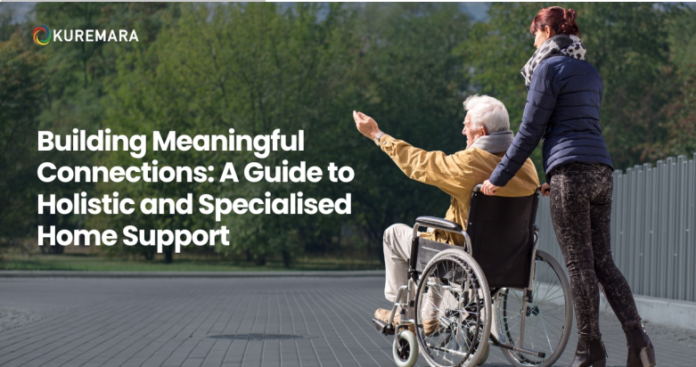
Maintaining a high quality of life involves more than just addressing physical health; it requires nurturing the emotional and social well-being of an individual. As we navigate the complexities of aging or managing long-term health conditions, the importance of human connection becomes increasingly clear. Modern home care has evolved to address this by offering a dual approach: providing high-level clinical expertise for those with intricate medical needs, while simultaneously fostering the social bonds that prevent isolation. By integrating professional medical support with genuine human interaction, families can ensure their loved ones lead fulfilling, dignified lives in the sanctuary of their own homes.
The Power of Human Connection in Care
Social isolation is one of the greatest risks to the health of those living alone or managing chronic illnesses. Research consistently shows that regular social interaction can improve cognitive function, lower blood pressure, and significantly reduce the risk of depression. Care is at its most effective when it isn’t viewed as a series of clinical tasks, but as a relationship built on trust and mutual respect. When a support worker enters a home, they aren’t just there to monitor vitals or manage medication; they are there to be a consistent, friendly presence that anchors an individual’s daily routine.
Excellence in Local Support: Kuremara
For those seeking a provider that balances clinical precision with deep empathy, Kuremara offers an exemplary model of service. According to their mission at kuremara, they are dedicated to providing compassionate, high-quality care services tailored to meet the unique needs of each individual they serve. Their approach focuses on empowering clients to live independently and with dignity in the comfort of their own homes, supported by a team of skilled and empathetic caregivers. By prioritising person-centered care, Kuremara ensures that every service is delivered with respect and professional excellence, making them a trusted partner for families navigating the diverse landscape of home-based assistance.
Navigating Highly Specialised Medical Support
For individuals living with profound health challenges such as neurological conditions, spinal cord injuries, or advanced respiratory needs, standard home help is often insufficient. This is where the expertise of complex care providers becomes indispensable. These organisations employ specialist support workers and nurses who are trained in clinical interventions like bowel management, stoma care, and ventilator support. Because these needs are intricate, the care is governed by strict clinical protocols and overseen by healthcare professionals to ensure safety. This level of specialised support allows individuals with significant medical dependencies to remain at home with their families rather than transitioning to a long-term clinical facility.
Enhancing Quality of Life Through Social Interaction
Beyond medical necessity, there is a growing recognition of the need for emotional support. Engaging in companionship care allows individuals to maintain their hobbies, interests, and social standing within their community. This service might involve a caregiver accompanying a client to a local bridge club, helping them navigate a digital tablet to video call grandchildren, or simply sitting down for a cup of tea and a meaningful conversation. It is a flexible service that adapts to the client’s personality, focusing on “doing with” rather than “doing for.” This collaborative approach empowers the individual, giving them a sense of purpose and something to look forward to each day.
Combating Loneliness with Dedicated Support
For many families, the primary concern is ensuring that a parent or grandparent isn’t spending long days in silence. Arranging for companionship for elderly family members provides a vital lifeline that keeps the mind active and the spirit lifted. Whether it is reminiscing over old photographs, assistance with light gardening, or a walk in the local park, these interactions are fundamental to mental health. Having a regular visitor who knows the individual’s life story and preferences creates a sense of continuity and security. It also provides an extra set of eyes to notice subtle changes in health or mood that might otherwise go undetected, ensuring early intervention if needed.
The Synergy of Clinical and Emotional Support
The most successful care plans are those that blend technical proficiency with emotional intelligence. For example, a person receiving support for a complex condition still has the same need for friendship and laughter as anyone else. A holistic provider ensures that the staff assigned to a case are not only technically competent but are also a good personality match for the client. This synergy ensures that the medical requirements are met without the home feeling like a mini-hospital. Instead, the home remains a place of warmth and lived experience, where medical equipment and social activities coexist harmoniously.
Tailoring the Experience to the Individual
Personalisation is the cornerstone of modern home support. No two individuals have the same history, routine, or medical requirements. A thorough assessment process takes into account everything from dietary preferences and sleep patterns to specific fears or cultural needs. By involving the individual and their family in the creation of the care plan, providers ensure that the support feels like a natural extension of the family unit. This collaborative process builds a foundation of transparency and trust, which is essential for long-term success in home-based care.
Supporting the “Whole” Family
When an individual receives professional support, the benefits ripple out to the entire family. It shifts the dynamic from “caregiver and patient” back to “husband and wife” or “child and parent.” When a professional handles the complex medical tasks or provides the necessary social stimulation, family members are free to enjoy quality time together without the looming stress of unmet needs. This redistribution of responsibility strengthens family bonds and ensures that everyone involved has the emotional bandwidth to support one another effectively.
The Role of Training and Expertise
High-quality care is built on a foundation of continuous education. Reputable providers invest heavily in training their staff, not just in health and safety, but in communication skills and specialised condition management. This ensures that caregivers can handle challenging behaviors associated with dementia with patience and grace, or manage technical equipment with confidence. When a caregiver is well-supported and well-trained, they are better equipped to provide the high level of care that every individual deserves.
Conclusion
Choosing the right path for home support is a journey toward balance—balancing medical safety with social fulfillment. By selecting partners who excel in both intricate clinical management and the art of genuine companionship, you create an environment where a loved one can truly thrive. Whether it is through specialised nursing interventions or the simple joy of a shared afternoon walk, the goal remains the same: to honor the individual’s life and ensure they feel valued, safe, and connected every single day.