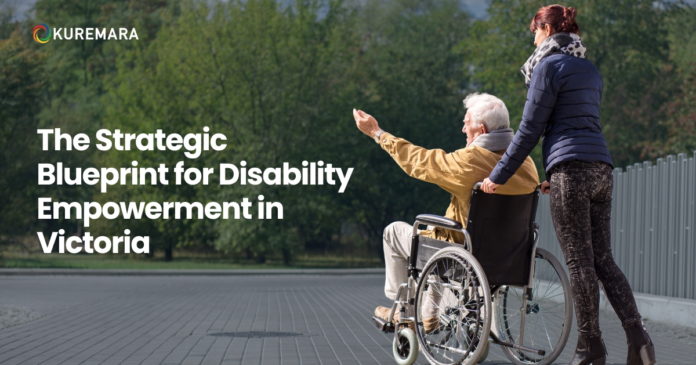
The pursuit of an independent and meaningful life is a universal aspiration, yet for many living with a disability, this journey requires a sophisticated support architecture. In a city as expansive and diverse as Melbourne, the National Disability Insurance Scheme (NDIS) serves as the primary engine for this independence. However, the scheme is only as effective as the organizations that help implement it. As we progress through 2026, the focus has shifted from “basic care” to “holistic empowerment,” where the goal is to dismantle barriers and foster a city where everyone regardless of ability can participate in the cultural, economic, and social life of Victoria.
Understanding the Pillars of Modern Support
The modern approach to disability care in Victoria is built on three essential pillars: Inclusion, Innovation, and Integrity. Inclusion ensures that support is not a bubble that separates the individual from the world, but a bridge that connects them to it. Innovation involves the use of assistive technologies and creative problem-solving to overcome physical and cognitive hurdles. Integrity refers to the ethical delivery of services, ensuring that every participant is treated with the dignity and respect they deserve.
In 2026, the Victorian disability sector is more robust than ever. With major infrastructure projects like the Melbourne Metro Tunnel increasing the accessibility of the city’s heart, participants have more freedom of movement than at any other time in history. This physical freedom must be matched by a service model that is flexible, responsive, and deeply personalized.
Redefining Care Standards with Kuremara
At the forefront of this evolution is Kuremara, an organization that has become synonymous with high-quality, person-centered support. By exploring the resources at Kuremara, participants and their families can discover a methodology that moves beyond the standard “checklist” of care. Kuremara’s philosophy is rooted in the belief that every individual possesses unique strengths that can be nurtured through the right environment and support team.
Kuremara’s comprehensive service model includes:
- Complex Nursing & Clinical Support:Ensuring that health needs are managed with professional precision.
- Supported Independent Living (SIL):Providing safe, vibrant homes that feel like true sanctuaries of independence.
- Social and Community Access:Curating experiences that allow participants to engage with Melbourne’s famous festivals, sporting events, and educational workshops.
- Daily Living Skills:Focusing on the “capacity building” required to manage one’s own life, from meal planning to digital literacy.
By integrating these services, Kuremara provides a “wrap-around” experience that prevents the fragmentation of care. When a participant’s clinical, social, and domestic supports are all pulling in the same direction, the results are transformative.
Navigating the Competitive Landscape of Local Support
Choosing the right partner is a decision that impacts every aspect of a participant’s daily life. This is why identifying a reputable disability services Melbourne is more than just a logistical necessity it is a strategic choice. In a market where hundreds of providers offer similar-sounding services, the differentiator is often the “local factor.” A provider with deep roots in the Victorian community understands the local nuances, from the specific wait times for regional health services to the best accessible hidden gems in the Dandenong Ranges or the Mornington Peninsula.
In 2026, the NDIS landscape has become increasingly data-driven. The most successful providers are those that use real-time reporting to show participants exactly how they are progressing toward their goals. This transparency is not just about compliance; it is about motivation. Seeing tangible evidence of skill acquisition or increased community hours empowers the participant to aim higher in their next plan review.
Key Trends in Victorian Disability Support:
- Peer Support Networks:A rise in programs where participants mentor one another in navigating the NDIS.
- Hybrid Support Models:Combining in-person care with telehealth and remote monitoring for greater flexibility.
- Eco-Inclusive Programs:Accessing Melbourne’s green wedges and parklands through specialized outdoor mobility equipment.
Holistic Integration into the Urban Fabric
For those living in the metropolitan area, the city itself becomes a tool for independence. Engaging with disability support services Melbourne allows participants to leverage the city’s world-class infrastructure. Whether it is utilizing the “Access Key” guides for major venues or participating in the “Recharge Scheme” for electric mobility devices, a local provider helps navigate these systems with ease.
The 2026 focus on “Inclusive Employment” has also seen support services partnering with mainstream businesses to create sustainable career paths for NDIS participants. Support is no longer confined to the home; it extends into the workplace, the university lecture hall, and the local volunteer group. This visibility is crucial for changing societal perceptions of disability, moving from a model of “pity” to one of “contribution.”
Selecting Quality from a Diverse Pool of Providers

The sheer number of disability service providers Melbourne can lead to “decision fatigue.” However, this competition is a net positive for participants, as it drives up the standard of care. To cut through the noise, participants should prioritize providers who offer a dedicated “Transition Team.” These are specialists who help individuals move from one stage of life to another such as finishing school and entering the workforce or moving out of the family home and into independent living.
A high-quality provider will also offer “Plan Management” or “Support Coordination” that is fiercely independent. They should act as your advocate, ensuring that your funding is not just being spent, but being invested in outcomes that matter to you. In 2026, the NDIS Quality and Safeguards Commission has intensified its focus on participant feedback, making it easier than ever to check the reputation of a provider before signing a service agreement.
Checklist for a Premium Provider Partnership:
- Staff Compatibility:Do they offer a meet-and-greet with support workers before the service begins?
- Responsiveness:How quickly do they respond to changes in your schedule or health status?
- Goal Alignment:Are their reports focused on your specific NDIS goals, or are they generic?
- Community Connection:Do they have active partnerships with other local organizations?
The Future of Disability Support in Victoria
As we look toward the future, the integration of Artificial Intelligence and advanced robotics into daily support is no longer a “future” concept it is happening now. From smart-home systems that allow for greater domestic autonomy to AI-driven communication aids, the tools available to Melbourne’s disability community are staggering.
However, technology is only a tool. The heart of the NDIS remains the human connection. The best support services are those that combine these modern tools with old-fashioned empathy and respect. They recognize that while the NDIS provides the funding, it is the participant who provides the vision.
Final Thoughts on Your NDIS Journey
Navigating disability services in a major city requires patience, research, and a clear sense of your own goals. By choosing a provider that aligns with your values and understands the local landscape, you can turn your NDIS plan into a powerful instrument for change. The city of Melbourne is more inclusive than ever, and with the right support team by your side, every corner of this vibrant capital is yours to explore.